
Indoor Gas Log Installation
Clean Heat Without the Ash Cleanup
Indoor Gas Log Installation in Oxford & Oakland, MS, for vented and vent-free fireplaces
Rebel Chimney and Masonry Service handles indoor gas log installation in Oxford and Oakland, MS, for homeowners who want consistent heat without hauling firewood, cleaning out ash pans, or dealing with smoke stains on the mantel. Whether your fireplace has a working chimney flue or you need a vent-free system that recirculates room air, we install burners and logs that ignite with a wall switch or remote and shut off without waiting for embers to cool.
We install vented sets for fireplaces with an open flue and damper, routing combustion gases up the chimney, or vent-free sets that include an oxygen depletion sensor to cut gas flow if indoor air quality drops. Both systems connect to your natural gas or propane line through a shutoff valve located inside the firebox or in the basement below the hearth. Vented sets produce taller flames and require the damper to stay open during use, while vent-free sets operate with the damper closed and deliver more heat into the room.
Contact us to review your fireplace type and fuel preference, and we'll schedule an installation that fits your heating needs.
What Changes After We Install the Logs
We set the burner pan on the fireplace floor, connect the supply line to the control valve, and arrange ceramic or refractory logs on top of the burner ports in a pattern that directs flame upward without blocking airflow. For vented installations, we confirm the damper opens fully and stays in place, and for vent-free systems, we mount the oxygen sensor on the burner housing and test its shutoff response before lighting the pilot.
After we finish, the fireplace lights with a single button press or wall switch flip, and the flame reaches full height within ten seconds. The room warms noticeably within fifteen minutes, and you won't smell gas, see soot on the glass doors, or hear the burner flutter when the blower kicks on.
We use black iron pipe for gas connections and apply pipe dope rated for natural gas or LP to every threaded joint, then pressure-test the line at ten pounds per square inch for fifteen minutes. This service covers burner installation, log placement, valve connection, and ignition testing, but does not include chimney cleaning, damper repair, or gas line extension beyond five feet from the existing shutoff.
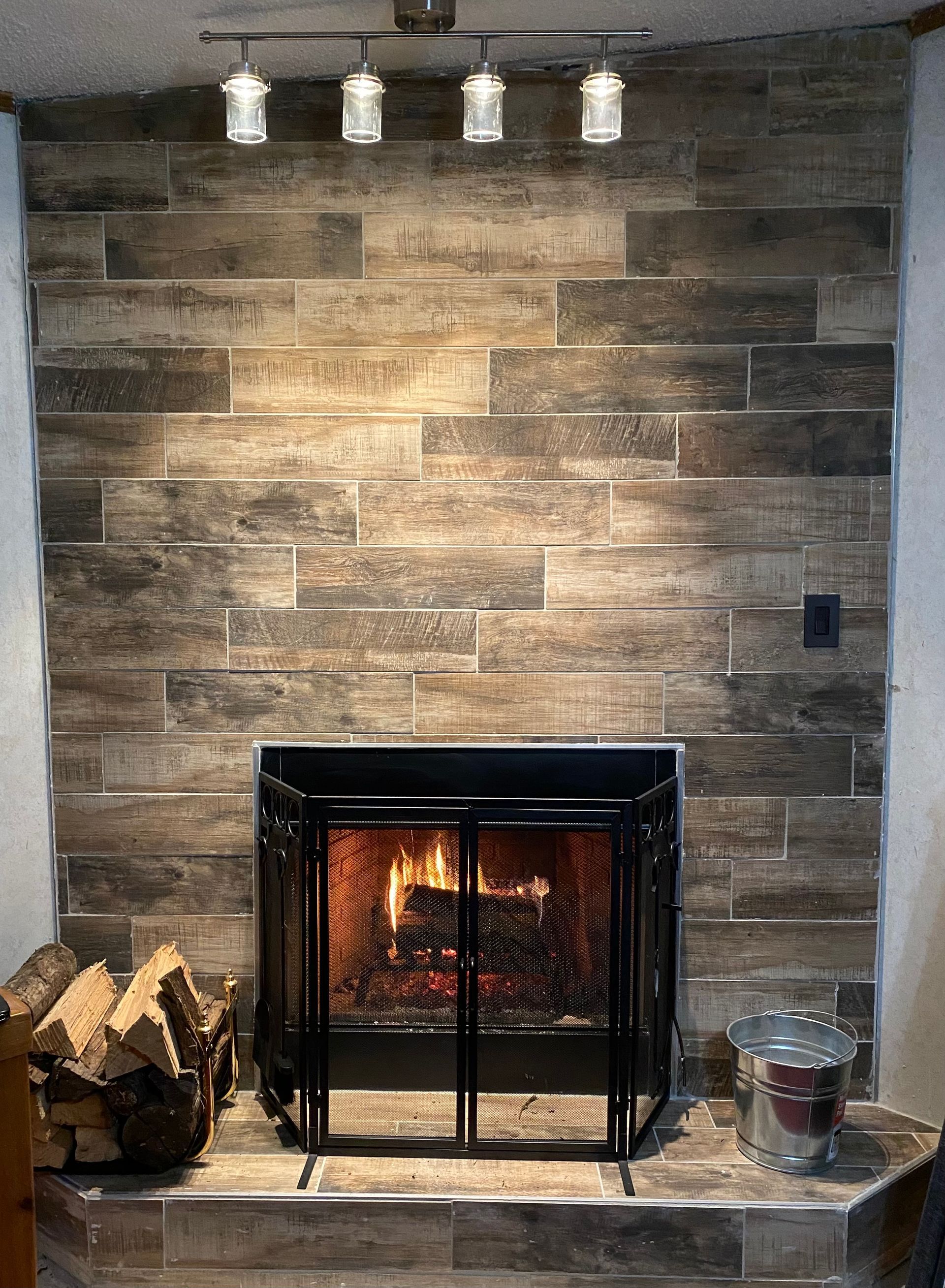
Rebel Chimney and Masonry Service tests ignition, flame pattern, and sensor response on every indoor gas log installation before we leave your home. Call to discuss vented or vent-free options and schedule your installation.
Common Questions About Indoor Gas Logs
Homeowners in Oxford often ask whether vented or vent-free logs provide more heat, how we route the gas line, and what maintenance the system needs after installation.
What is the difference between vented and vent-free gas logs?
Vented logs require an open chimney flue to exhaust combustion gases and produce a taller, more realistic flame with less radiant heat. Vent-free logs operate with the damper closed, directing all heat into the room and include a safety sensor that shuts off the gas if oxygen levels drop.
How do you connect the gas line to the fireplace?
We run a black iron pipe from your existing gas line to a shutoff valve inside the firebox or directly below it, using threaded fittings and pipe dope rated for the fuel type. We pressure-test the line before connecting the burner to confirm there are no leaks at the joints.
Why does the pilot light go out on windy days?
Wind downdrafts through the chimney can blow out the pilot on vented systems if the flue cap is missing or damaged. We inspect the cap and install a draft shield around the pilot assembly to block direct airflow while allowing venting.
What size gas line do I need for indoor logs?
A half-inch line handles burners up to 50,000 BTU if the run is shorter than 30 feet, and a three-quarter-inch line is required for longer distances or higher BTU ratings. We calculate pressure drop based on your meter location and burner demand during the site visit.
How often should I clean the burner ports?
You should vacuum the burner ports and brush off the ceramic logs once a year to remove dust and pet hair that can clog the gas jets and create uneven flames. We include a cleaning demonstration at the end of every installation.